Jinsha Site Museum金沙遗址
El yacimiento de Jinsha fue descubierto en 2001 cuando los obreros que construían un complejo residencial toparon con reliquias de 3.000 años — los restos de la capital de la antigua civilización Shu (el reino que habitó la cuenca de Sichuan antes de los Qin). Los hallazgos estrella son extraordinarios: un foso con 600 colmillos de elefante (el mayor depósito de marfil del mundo), máscaras de oro, bronces ceremoniales, jade y la pieza más famosa del sitio — el Papel de Oro del Dios Volador (太阳神鸟金箔), un disco de oro de 12 cm con un ave que orbita el sol, hoy símbolo de la ciudad de Chengdu. El museo está construido justo sobre las fosas de excavación, así que se camina sobre suelos de cristal por encima de la excavación real.
Chengdu · guía de visita2026-10-18
Respuesta rápida
¿Merece la pena visitar Jinsha Site Museum?
Yacimiento arqueológico de la civilización Shu de hace 3.000 años — el foso de 600 colmillos de marfil, máscaras de oro y el célebre papel de oro del Dios Volador, todo dentro de un museo moderno construido sobre la excavación.
Datos rápidos
| Entrada | 70 CNY combinada (sitio + sala de exposición). 50 CNY solo el sitio. Estudiantes/mayores 35 CNY combinada. |
|---|---|
| Horario | 8:00-18:00 (último acceso 17:00). Cerrado los lunes por la mañana. |
| Duración recomendada | 2 horas para una visita completa de la exposición y el foso. |
| Mejor época para visitar | Las mañanas de día laborable — el museo llena por la tarde con excursiones escolares chinas. |
| Cómo llegar | Metro línea 7 hasta Jinsha Museum (金沙博物馆站), salida C — la puerta está a 200 m. Desde la plaza Tianfu: línea 2 hasta Yipintianxia, transbordo a la línea 7, ~20 minutos, 4 CNY. |
| Señalización en inglés | Sí |
| Acceso en silla de ruedas | Sí |
| Fecha | C. 1000-800 a. C. (final del Shang a Zhou occidental, reino Shu) |
| Descubrimiento | 2001 (por accidente, durante unas obras) |
| Piezas clave | 600 colmillos de marfil, máscaras de oro, papel de oro del Dios Volador |
| El Dios Volador | 12 cm de diámetro, 0,2 mm de grosor — hoy en el emblema de la ciudad de Chengdu |
| UNESCO | Catalogado dentro de los Grandes Sitios Históricos y Culturales Protegidos de la Nación |
Qué esperar
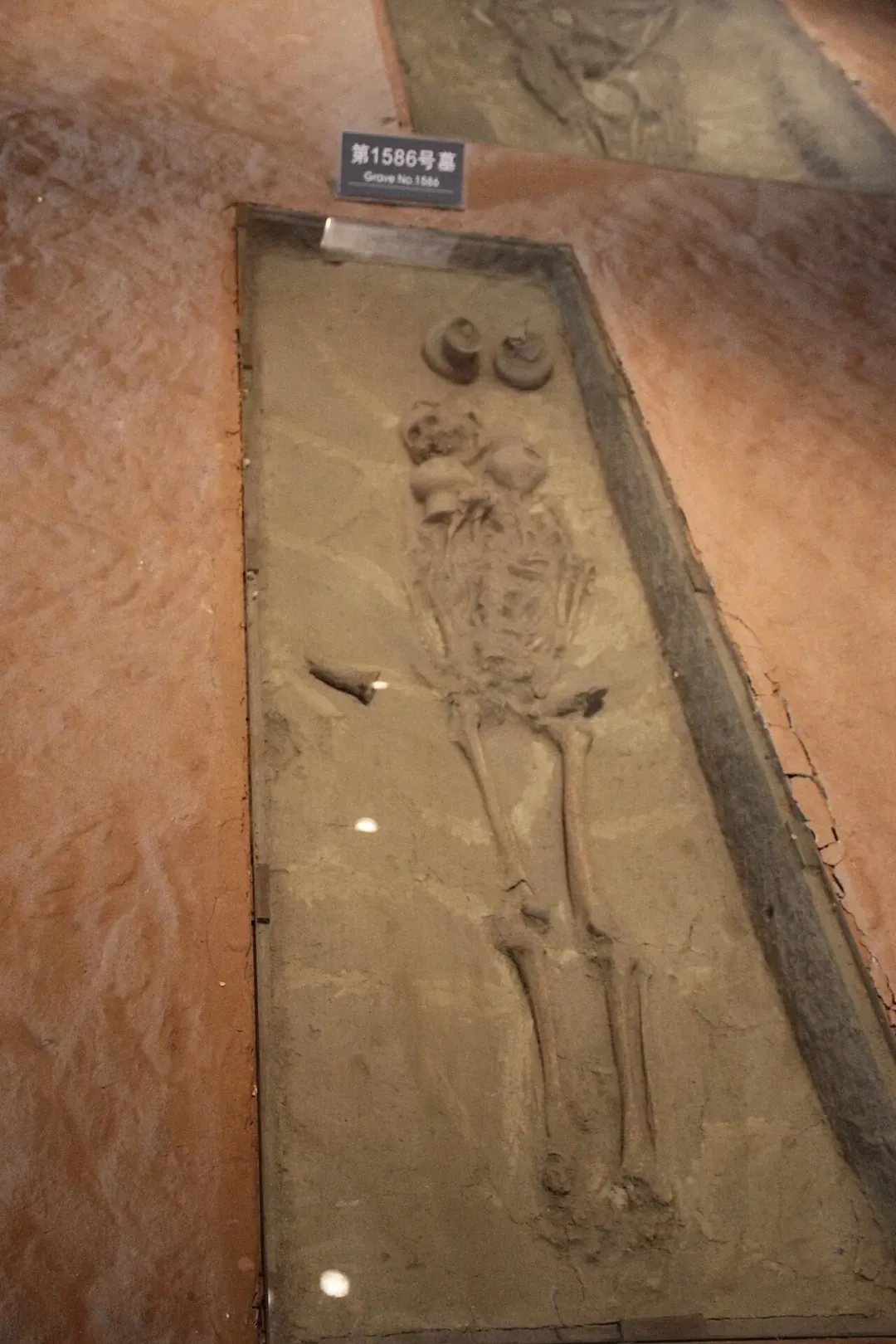
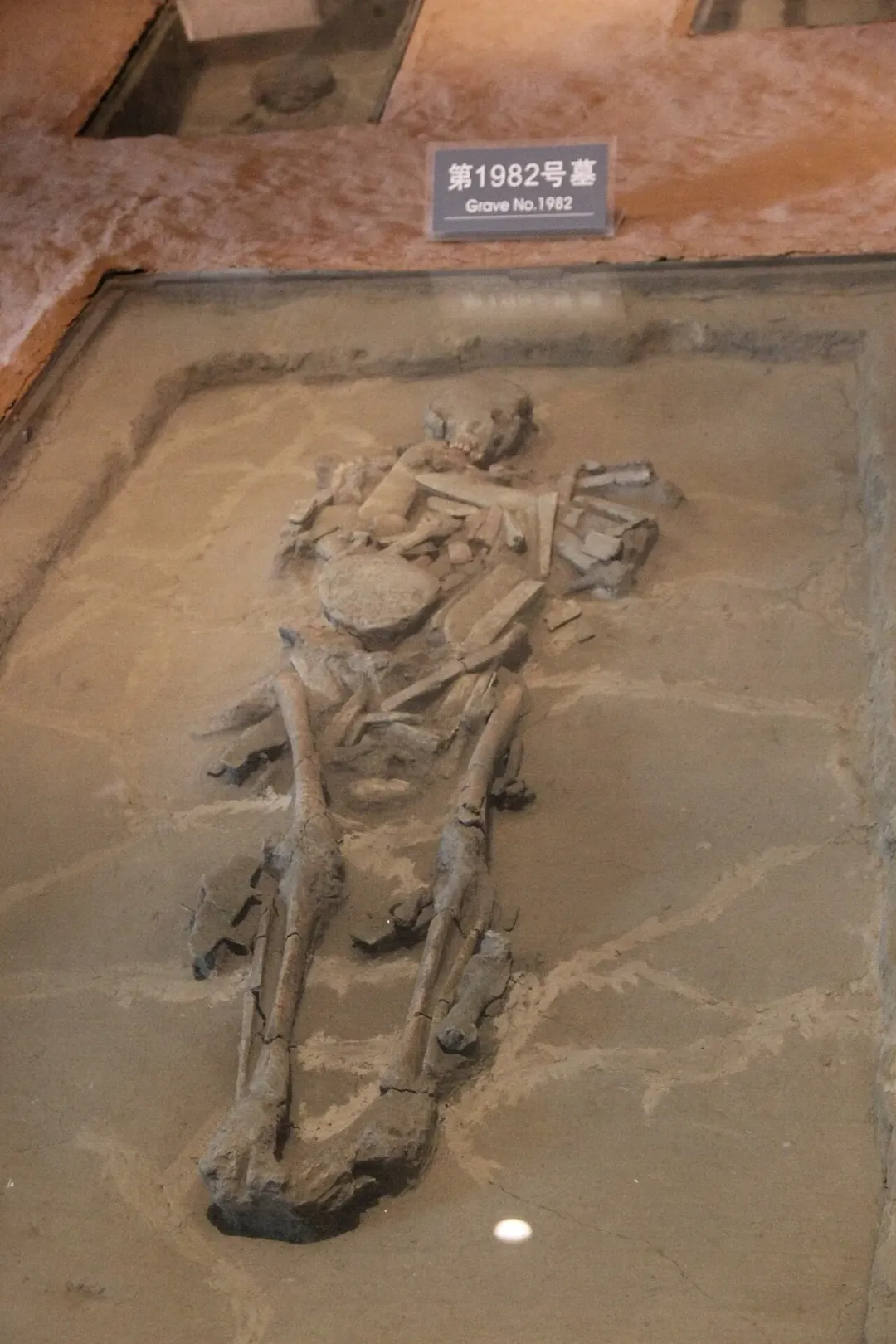
El museo se divide en dos partes: el sitio de excavación (遗址馆) y la sala de exposición (文物馆). En el sitio de excavación se camina sobre suelos de cristal por encima del foso real donde los arqueólogos hallaron 600 colmillos de elefante dispuestos en capas — el mayor depósito de marfil encontrado en el mundo. El marfil ya no está (hoy en almacenes con clima controlado), pero el foso, con sus capas originales de ceniza y agujeros de poste, se conserva bajo el vidrio. La escala pasma: el foso medía 30 metros de largo por 20 de ancho, lleno de ofrendas.
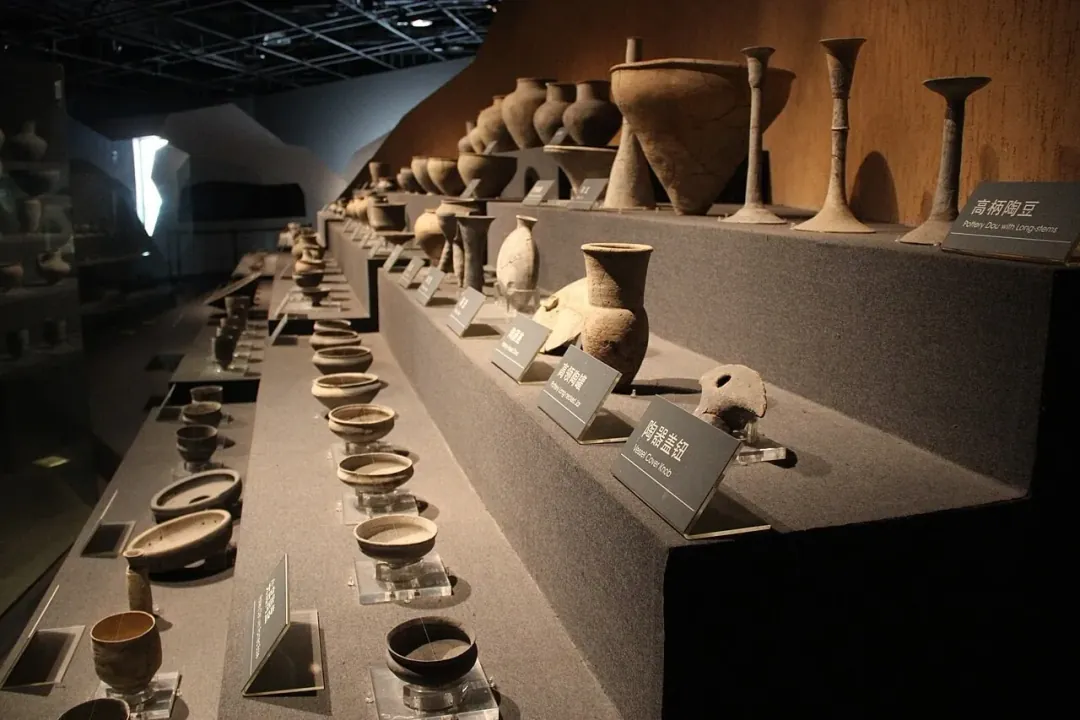
La sala de exposición reúne los objetos recuperados del foso y de otras tumbas de Jinsha: máscaras de oro de rasgos exagerados, un vaso ritual de bronce con forma de vaca recostada, una vasta colección de cong y discos bi de jade, y el Papel de Oro del Dios Volador. El papel de oro es el clímax emotivo — un disco de oro puro de 12 centímetros y 0,2 milímetros de grosor, con cuatro aves volando alrededor de un sol central de 12 rayos. Es extraordinariamente delicado y está intacto tras 3.000 años.
El yacimiento desafiaba el relato tradicional de una civilización china nacida solo en el valle del Río Amarillo — aquí florecía una cultura urbana igual de sofisticada en la cuenca de Sichuan, contemporánea del Shang. La escritura Shu hallada en los objetos de Jinsha sigue sin descifrarse; el idioma no parece emparentado con ningún sistema conocido.
Cómo llegar
Metro línea 7 hasta Jinsha Museum (金沙博物馆站), salida C — 200 m hasta la puerta. Desde el centro de Chengdu (plaza Tianfu): línea 2 hacia el oeste hasta Yipintianxia, transbordo a la línea 7, ~20 minutos, 4 CNY. DiDi: 20-30 CNY, 15 minutos.
Mejores puntos fotográficos
- El Papel de Oro del Dios Volador en la sala de exposición — reproducido en el billete de 50 yuanes
- El foso de marfil desde arriba — suelo de cristal sobre las capas arqueológicas reales
- El bronce de la vaca recostada — una de las esculturas de bronce más elegantes de la China antigua
- La luz de la mañana atravesando el techo de cristal del museo hacia la excavación
Consejos
- Combine con el cercano West China Centre (万象城) para comer — el museo está en el oeste de Chengdu, no en el centro
- Vaya de mañana entre semana — por la tarde llegan los grupos escolares y la pasarela estrecha del foso se llena
- La audioguía (20 CNY) merece la pena por el contexto detallado de cada pieza
- Jinsha está a unos 30 minutos en taxi del Museo de Sanxingdui (40 CNY) — muchos visitantes combinan ambos en un día
- Fotografiar está prohibido en la sala de exposición pero permitido en el sitio de excavación
Estafas que evitar
- Vendedores de réplicas de oro de Jinsha — compre solo en la tienda oficial
- Taxis informales junto al museo que ofrecen tours de media jornada que dedican 3 horas a tiendas de jade
Preguntas frecuentes
¿En qué se diferencia Jinsha de Sanxingdui?
Sanxingdui (三星堆, Guanghan) es un yacimiento Shu anterior y mayor, a 40 km de Chengdu — su famosa máscara (de hasta 2,6 m) y las cabezas de bronce de cara alienígena son de c. 1200 a. C. y completamente distintas de cualquier otra cultura china. Jinsha (金沙, Chengdu) es de c. 1000-800 a. C. y muestra una capital Shu posterior; el papel de oro del Dios Volador es su pieza más famosa. Son sitios distintos, a 1-1,5 horas de distancia. Si tiene un día, elija Sanxingdui; si tiene dos, vea ambos.
¿El papel de oro del Dios Volador es el mismo símbolo de las tarjetas del metro de Chengdu?
Sí — el Papel de Oro del Dios Volador (太阳神鸟金箔) es el emblema oficial de Chengdu. Aparece en la bandera de la ciudad, en las tarjetas del metro, en las tapas de alcantarilla y en las tiendas de recuerdos. El original está en este museo.
¿Qué nos dice el yacimiento sobre la civilización Shu?
Las piezas de Jinsha revelan una sociedad urbana sofisticada, con fundición de bronce y orfebrería avanzadas y rituales que incluían sacrificios masivos de marfil. Los colmillos probablemente vinieron de elefantes asiáticos que vivieron en la cuenca de Sichuan hasta la dinastía Han — la región era mucho más tropical hace 3.000 años. El sistema de escritura hallado aquí está sin descifrar, lo que sugiere que los Shu tenían escritura propia.
Leer después
Otras cosas que hacer en Chengdu
Baoguo Temple
Un célebre monasterio budista en Xindu, Chengdu, fundado en la dinastía Sui y famoso por su Sala de los 500 Arhats. Entrada de 30 CNY: una excursión de medio día que merece la pena.
Du Fu's Thatched Cottage
Parque conmemorativo del poeta Tang Du Fu — cabaña de bambú reconstruida, inscripciones en piedra y un museo sobre su vida. 50 CNY. 2 horas.
Jinsha Site Museum
Yacimiento arqueológico de la civilización Shu de hace 3.000 años — el foso de 600 colmillos de marfil, máscaras de oro y el célebre papel de oro del Dios Volador, todo dentro de un museo moderno construido sobre la excavación.
Chengdu Museum
El mayor museo integral de Chengdu, abierto en 2016, con unas 20.000 m² de salas y más de 200.000 piezas. Gratis con reserva, 09:00-20:00, cerrado los lunes.
Chengdu Research Base of Giant Panda Breeding
La mayor instalación de cría de pandas del mundo, con la población cautiva más completa que exista. Entrada 55 CNY, lanzadera 30 CNY; ve por la mañana, cuando los pandas están más activos.
Chunxi Road
La calle comercial más animada de Chengdu: abierta en 1924, con el panda trepador del IFS como icono. Entrada gratuita, tiendas abiertas de aprox. 10:00 a 22:00 y acceso directo por las líneas 2 y 3 de metro. Compras y gastronomía en un solo lugar.
Du Fu's Thatched Cottage
El hogar de Chengdu del Poeta-Sabio Du Fu, hoy un sereno jardín conmemorativo empapado de poesía Tang. Entrada de 50 CNY.
Dujiangyan Irrigation System
Li Bing construyó este sistema de riego sin presa hacia el 256 a. C., y hoy sigue regando unas 530.000 hectáreas de la llanura de Chengdu. 80 CNY, reserve 2-3 horas, a 30 minutos en tren de Chengdu.
Huanhua Stream
El parque más poético de Chengdu, un paseo ribereño de 2 km donde vivió el poeta Tang Du Fu. Abierto en 2003, gratis y abierto todo el día; en la línea 4 de metro, junto a la Cabaña de Paja de Du Fu.
Jinli Ancient Street
La calle antigua más famosa de Chengdu: unos 550 m de largo, construida en 2004, con temática de los Tres Reinos y folclore de Sichuan occidental, gratuita. Tiendas de 09:00 a 23:00; los faroles rojos lucen más bellos de noche. A 10 minutos a pie de la salida C del metro Gaoshengqiao (línea 3).
Jinsha Site Museum
Restos del antiguo reino de Shu de las eras Shang y Zhou, lugar del hallazgo del Ave Dorada del Sol — hoy el emblema del patrimonio cultural de China. Entrada de 70 CNY; una visita que recompensa a los amantes de la arqueología.
Jiuzhaigou Valley
Lagos de travertino turquesa, más de 100 cascadas escalonadas y picos tibetanos nevados en un parque UNESCO entre 2.000 y 4.500 m de altitud. CNY 169. Se recomiendan 2 días.
Wide and Narrow Alleys
Tres callejones-patio de la era Qing restaurados en el centro de Chengdu (gratis, abiertos 24/7), trazados sobre la retícula de una guarnición manchú de 1718.
Leshan Giant Buddha
El Buda de piedra más grande del mundo — un Maitreya sedente de 71 m tallado en un acantilado junto al río. Entrada de 80 CNY, barco fluvial 50 CNY extra; el Buda es una montaña, la montaña un Buda.
Longmen Mountain
Un geoparque nacional al borde norte de Chengdu y terreno conmemorativo del terremoto de Wenchuan, centrado en el pueblo de Bailu. Gratuito en zonas o 30 CNY; lo mejor para caminar y explorar.
Mount Emei
Una de las cuatro montañas sagradas del budismo chino y sede de Samantabhadra. Entrada 160 CNY más 90 CNY de lanzadera, teleféricos aparte. El amanecer en la Cumbre Dorada es todo el sentido — la recompensa que justifica la madrugada.
Mount Siguniang (Four Girls Mountain)
Montaña de las Cuatro Doncellas: pico de 6.250 m y paraíso de senderismo con 3 valles. Yaomei Feng es la respuesta de China al Matterhorn. ¥150. 2–3 días desde Chengdu. Lagos alpinos, glaciares, aldeas tibetanas.
Chengdu Research Base of Giant Panda Breeding
Ve 50+ pandas gigantes, incluidos cachorros, a la hora de comida de las 8:00 AM en un centro de cría de 100 hectáreas cubierto de bambú. La mejor experiencia con pandas de China. 3-4 horas.
People's Park
Un parque urbano centenario y gratuito donde la cultura del té de Chengdu se despliega bajo los plátanos de sombra — paga ¥15-30 por una tetera de té de jazmín y quédate dos horas de mahjong, limpieza de oídos y gente.
Mount Qingcheng
Una de las cuatro montañas sagradas taoístas de China, cuna de la 'Vía de los Maestros Celestiales' (142 d. C.). Senderos umbríos, pabellones, templos taoístas. 90 CNY, a 1 hora de Chengdu.
Sanxingdui Museum
Máscaras de bronce de ojos saltones, una figura de 2,62 metros y un árbol sagrado de 4 metros, de una civilización de 3.000 años que no dejó registros escritos.
Shuangliu District
Sede del Aeropuerto Internacional de Chengdu Shuangliu, a 20 km del centro. La centenaria vieja casa de té de Pengzhen destila la vida del viejo Chengdu — gratis, a 15 minutos; las mañanas son lo mejor.
Sichuan Opera Show (Face Changing)
Una experiencia clásica de la cultura de Sichuan: cambio de cara, escupir fuego y el acto de la lámpara rodante en un espectáculo de unos 70 minutos. Lo mejor en Shufeng Yayun o Furong Guocui.
Taiping Street
Una calle antigua de Chengdu con aire republicano: unos 400 metros de edificios de ladrillo y madera de finales de la dinastía Qing y la era republicana. Visita gratuita, abierta todo el día, tiendas de ~10:00 a 20:00. A 10 minutos a pie de la salida B del metro Dongmendaqiao (línea 2). Más tranquila y con más encanto que Kuanzhai Xiangzi.
Wenshu Monastery
El monasterio budista mejor conservado de Chengdu: fundado en la dinastía Sui (605-618), con más de 1400 años de historia y más de 20.000 m². Entrada gratuita, de 08:00 a 17:00. Conjunto antiguo de la era Qing; destacan la cocina vegetariana y la casa de té. A 5 minutos a pie de la salida K de la estación Wenshu Monastery (línea 1 de metro).
Wolong Panda Reserve
La mayor reserva de pandas de Sichuan y hábitat natural de pandas silvestres, a unos 130 km de Chengdu — una excursión de día entero. Gran elección para amantes de la naturaleza.
Wolong Giant Panda Nature Reserve
La reserva de pandas salvajes original — 200.000 hectáreas de bosque de bambú, más de 150 pandas silvestres. Hay programas de voluntariado. A 1,5 horas de Chengdu. CNY 90. Un día entero.
Wuhou Shrine (Temple of the Marquis of Wu)
El santuario conmemorativo de los Tres Reinos más famoso de China, dedicado a Zhuge Liang, el gran estratega de Shu Han. Arquitectura de la dinastía Ming, cipreses de 1.800 años. CNY 60.
Museos en Chengdu
Museo de Chengdu
El museo municipal de Chengdu en la plaza Tianfu — civilización Shu, el antiguo yacimiento de Jinsha y la conservación del panda. Gratis.
Base de Investigación de Cría de Pandas Gigantes de Chengdu
En Chengdu: el mayor centro de cría de pandas del mundo — más de 150 pandas gigantes en un hábitat forestal natural, además de pandas rojos. ¥58.
Museo de Medicina Tradicional China de Sichuan
Un pequeño pero denso museo universitario con más de 3.000 piezas de medicina tradicional china, incluidas las hierbas de Sichuan — calcula 60–90 minutos y sáltate el decorado fotográfico de la tienda.
Museo del Yacimiento de Jinsha
El disco de oro del Sol y el Pájaro Inmortal, de 3,000 años — una de las piezas más famosas de China — y la civilización hermana de Sanxingdui. ¥80. Un yacimiento arqueológico en activo con un hermoso entorno de parque.
Museo de la Cocina de Sichuan
El único museo del mundo donde se puede comer a través de 4.000 años de historia gastronómica de Sichuan, y preparar tu propio doubanjiang de Pixian.
Museo de Sichuan
El principal museo provincial de Sichuan, junto al Parque del Pueblo. Destacan la cultura Shu de los Tres Reinos, el arte budista tibetano y la civilización del antiguo Shu (Sanxingdui).